Consequences of kissing a deceased person
Grief can bring an urge to offer “a final kiss as a goodbye,”
but experts warn this gesture carries “significant health risks” that are often overlooked.
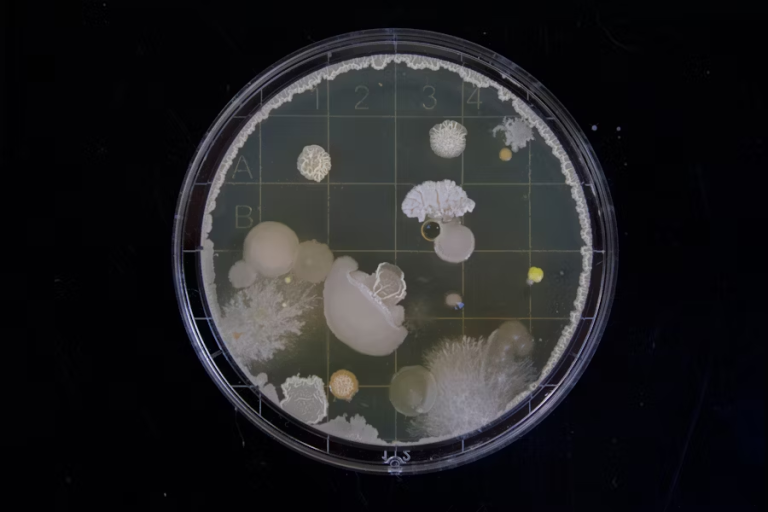
After death, the immune system stops, allowing bacteria to multiply rapidly,
which can be transferred through direct contact.
There is also a limited risk of virus transmission,
as some pathogens can remain active briefly after death,
especially if the person had an infectious illness.
As decomposition begins, the body releases fluids and gases that may contain harmful microorganisms,
potentially causing skin, respiratory, or stomach issues.
Beyond physical concerns, the act can leave lasting psychological distress,
creating memories that may complicate healing rather than bring comfort.
Additional risks include cross-contamination at funerals and reactions to embalming chemicals.
Health professionals note that “safer, more meaningful ways to say goodbye” include holding a hand,
touching the forehead, or quietly being present—acts that honor loved ones while protecting well-being.